Day One, Day Two: A Patient's Timeline for the First 48 Hours on Amoxicillin

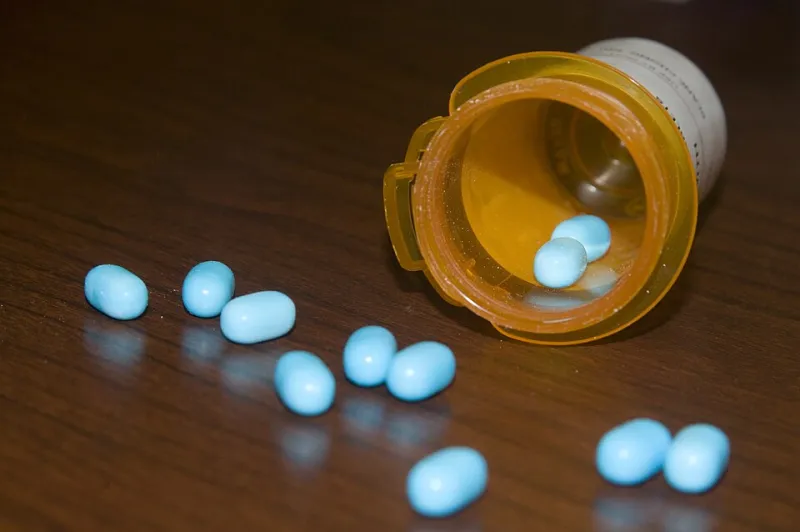
Photo by Photo by Bermix Studio on Unsplash on Unsplash
Starting a course of amoxicillin often comes with a quiet set of questions that patients hesitate to ask: How fast should this work? Is that rash normal? Should I feel better by tomorrow? The honest answer is that the first 48 hours follow a fairly predictable pattern — and knowing that pattern helps you avoid both needless panic and dangerous complacency.
This guide walks through a typical early timeline for adults taking amoxicillin for common bacterial infections such as strep throat, ear infections, or sinusitis. Individual cases vary, so treat this as a map, not a diagnosis.
Hours 0–24: Setting Expectations Before Results
The first day is rarely dramatic. Amoxicillin begins absorbing within an hour or two of your first dose, and therapeutic blood levels are reached quickly — but killing bacteria in bulk takes time. Most patients feel essentially unchanged on day one, and that is expected.
What you may notice early:
- A slight reduction in the "sharpness" of symptoms, such as pain when swallowing or throbbing in an ear
- Mild nausea or a loose stool, both common and usually harmless as your gut adjusts
- An odd metallic or bitter taste, which some patients report
Do not judge the antibiotic's success on day one. Fever, fatigue, and swelling frequently persist through the first 24 hours even when the medication is working exactly as intended.
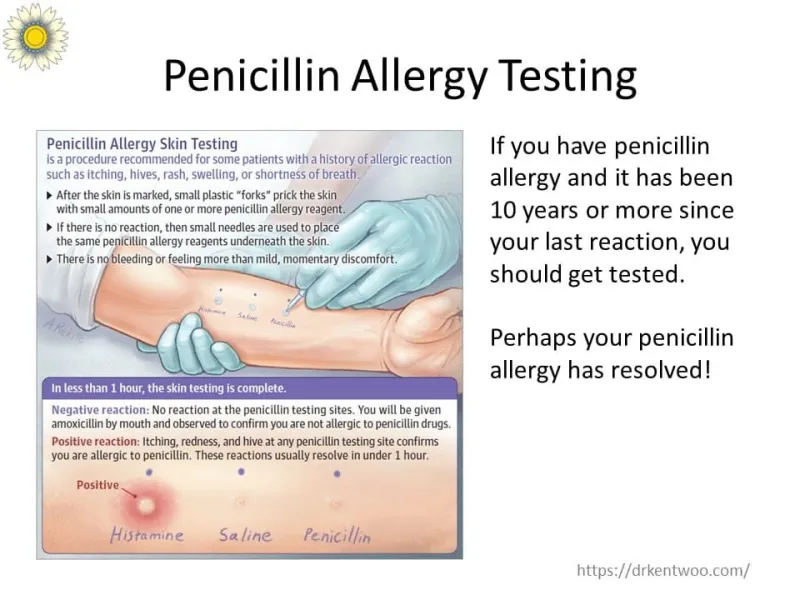
One rule applies immediately, however: if you develop hives, facial swelling, wheezing, or any difficulty breathing within hours of your first dose, stop taking the medication and seek emergency care. True allergic reactions to penicillin-class drugs can escalate rapidly and are never a wait-and-see situation.
Hours 24–48: The Turning Point
For most straightforward bacterial infections, the second day is when the tide shifts. A fever that hovered at 101°F should begin trending downward. Pain that kept you awake the previous night often becomes manageable with standard over-the-counter relief. Appetite tends to return, and the fog of malaise starts to lift.
A useful benchmark: by the end of 48 hours, you should be able to say you feel measurably better, even if you are not back to normal. Complete resolution takes longer — typically three to five days — but the trajectory should be clearly pointing upward.
If nothing has improved by the 48-hour mark, that is meaningful information, not a reason to quit. Patients sometimes stop their course out of frustration, which is precisely the wrong move. Half-finished courses contribute to antibiotic resistance and leave the surviving bacteria stronger.
When to Call the Doctor: The Specific Red Flags
Some symptoms fall outside the range of normal adjustment and warrant a call to your prescribing provider — not at the end of the course, but promptly:
- No improvement after 48 hours, or symptoms that worsen after initial improvement
- Fever above 103°F, or any fever that returns after having broken
- A spreading rash, even one without itching — this can signal a developing hypersensitivity
- Severe, watery, or bloody diarrhea, which may indicate C. difficile colitis, a serious gut infection that can emerge during or even weeks after antibiotic use
- Signs of dehydration — dizziness on standing, markedly reduced urination
- New or worsening pain at the original infection site, or swelling that seems to be spreading
- White patches in the mouth or persistent vaginal yeast symptoms, which indicate fungal overgrowth; not an emergency, but worth reporting
Telehealth follow-ups have made this easier for many Americans. A brief video visit on day two or three can confirm whether the dose needs adjustment, the diagnosis needs revisiting, or a different antibiotic is warranted.
The Middle of the Course: Why Feeling Better Is Not Finished
Around day three or four, many patients make the same mistake: they feel well and stop taking their pills. Resist this. The symptoms fade before the bacteria are fully cleared, and the remaining organisms are often the hardiest ones. Completing the full prescribed course — commonly seven to ten days — is what prevents relapse and resistance.
Set a phone reminder if your schedule is irregular, and if you miss a dose, take it as soon as you remember unless it is nearly time for the next one. Never double up to compensate.
A Simple Rule of Thumb
Think of the first 48 hours as a checkpoint, not a verdict. Mild stomach upset and slow-but-steady improvement are normal. No improvement, worsening symptoms, or any sign of allergic reaction are reasons to make contact with a clinician. When in doubt, a phone call costs little and resolves uncertainty quickly — and your prescribing provider would far rather hear from a cautious patient on day two than a deteriorating one on day five.
If you have questions about your specific prescription, the pharmacist who filled it is one of the most underused resources in American healthcare. A five-minute conversation at pickup can clarify dosing timing, food considerations, and what to watch for — before the first dose is ever taken.