The Half-Empty Bottle Problem: Why Saving Leftover Amoxicillin Is a Bad Bet
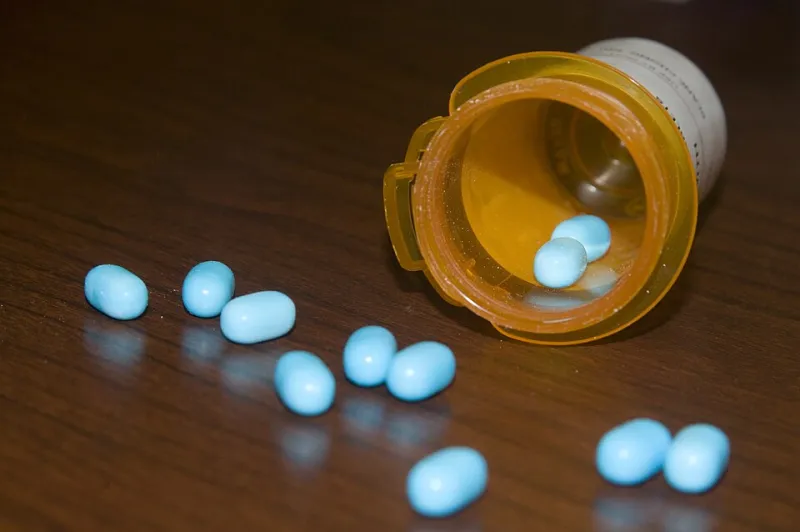
Photo: Christine Cabalo, Public domain, via Wikimedia Commons
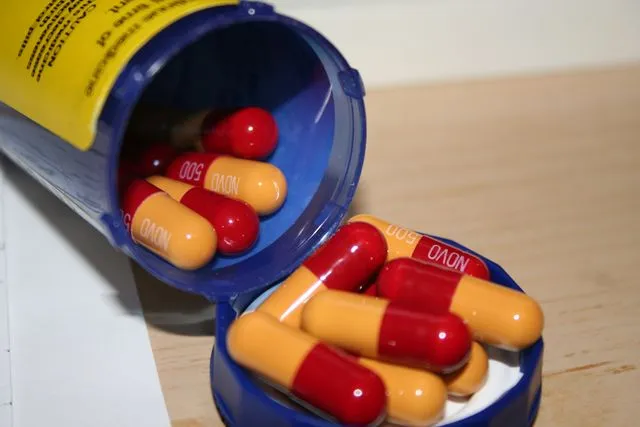
Somewhere in your bathroom cabinet, there is probably a bottle of amoxicillin with four capsules rattling around at the bottom. You finished most of the prescription — or, let's be honest, you stopped when you felt better — and the remainder seemed too useful to throw away. What if the sore throat comes back? What if a family member needs it someday? Keeping it feels prudent, even frugal.
It isn't. It's one of the most common and quietly harmful habits in American households, and it deserves an honest argument rather than a lecture.
The Case People Make for Saving Antibiotics
The logic seems airtight. Amoxicillin is a well-understood, generally well-tolerated drug. Doctor visits cost money and time. If a future infection looks exactly like the last one, why not skip the middleman? Surveys of antibiotic storage practices in the United States consistently find that a substantial share of adults admit to keeping leftover antibiotics, and self-treatment with those leftovers is correspondingly common.
There's also a genuine emotional component. Parents who have watched a child suffer through strep want a first line of defense on hand. Rural patients an hour from the nearest clinic feel the pull even more strongly. The impulse behind the saved bottle is not recklessness — it's the opposite: a desire to be prepared.
But good intentions don't change the pharmacology, and the pharmacology is unambiguous.
Why the Bottle in Your Cabinet Can't Do What You Think
Start with the drug itself. Amoxicillin degrades over time, particularly in the humid, warm environment of a bathroom, where most Americans store medications. Capsules and tablets lose potency, and reconstituted oral suspension — the pink liquid given to children — becomes unreliable within weeks even when refrigerated. That saved bottle may deliver a fraction of the labeled dose, which is the worst possible outcome: enough exposure to fuel bacterial resistance, not enough to cure an infection.
Then there's the diagnostic problem. A sore throat next March will not be a rerun of the sore throat from October. It may be viral, in which case amoxicillin does nothing except expose your body to unnecessary antibiotics. It may be mononucleosis, which classically mimics strep and actually produces a rash in many patients given amoxicillin. It may be strep requiring a full ten-day course — not the four leftover capsules you can offer. Self-prescribing based on symptom resemblance is diagnosis by guesswork, and the stakes include treatment failure and progressing infection.
Finally, there's the household safety dimension. An unlabeled or old bottle in an accessible cabinet is a poisoning risk for young children and a ready supply for teenagers experimenting with self-medication. Emergency departments see these cases regularly.
The Full Course or No Course
The deeper issue behind half-empty bottles is incomplete treatment. Strep throat requires the entire prescribed course precisely because bacteria that survive a partial course are the hardier ones — and surviving bacteria learn. Stopping at day five when you feel better is how resistant strains get their training. If your prescriptions routinely end with leftovers, the problem isn't the bottle; it's the habit of stopping early, and that habit needs to change at the source.
Doing Right by the Bottle You Already Have
If leftover amoxicillin is currently occupying your cabinet, disposal is straightforward. The Drug Enforcement Administration runs National Prescription Drug Take Back Days twice a year, and many police departments, pharmacies, and hospitals maintain permanent take-back kiosks year-round. The FDA's flush list technically includes certain medicines, but amoxicillin is not among them; take-back or household trash disposal (mixed with coffee grounds or cat litter in a sealed bag, per FDA guidance) are the preferred routes.
What you should not do is pass the bottle to a relative, flush it, or keep it 'just in case.' The genuine just-in-case scenario — a true strep infection — requires a diagnosis, a susceptibility-informed prescription, and a complete course. Telehealth has made obtaining that prescription faster than ever, which removes the last practical excuse the saved bottle had.
The thrifty instinct that saves leftover antibiotics is the same instinct that makes people stockpile generators before a storm. The difference is that a generator either works or it doesn't. A degraded antibiotic that sort of works is more dangerous than one that does nothing at all. Empty the bottle, clear the cabinet, and when the next infection arrives, get the real thing — the full prescription, taken to the last tablet.