Proof of Delivery, Proof of Safety: A Documentation Guide for Mailed Amoxicillin
Mail-order dispensing has become an ordinary way for American patients to receive amoxicillin, particularly when a prescriber submits an electronic order and the pharmacy ships to a home address. The convenience is real, but it shifts a meaningful part of the verification burden to the person opening the box. A delivery scan confirms that a parcel moved from one place to another; it does not confirm that the correct drug, strength, quantity, and instructions arrived intact. Treating the delivery moment as a clinical handoff — one worth documenting — is the most reliable way to catch an error before it becomes a dose.
As of November 2026, state pharmacy boards continue to require specific labeling on dispensed prescriptions, and mail-order pharmacies must meet the same standards as brick-and-mortar counterparts. Those rules protect patients only when someone checks the label against the prescription. The following ten-point review is designed to create a verifiable record, not merely a quick glance.
Why the doorstep deserves a paper trail
Most patients open a pharmacy package the way they open any other delivery: quickly, and with the expectation that the contents are correct. That expectation is usually justified, but it is not a substitute for inspection. A label can carry the right drug name and the wrong strength. A bottle can arrive with a broken safety seal. A refrigerated item can sit on a warm porch for hours. Documentation matters because it gives the pharmacy a precise account of what happened, and it gives the patient a contemporaneous record if a question later arises about an adverse effect, a replacement, or a billing dispute.
The ten verification points
-
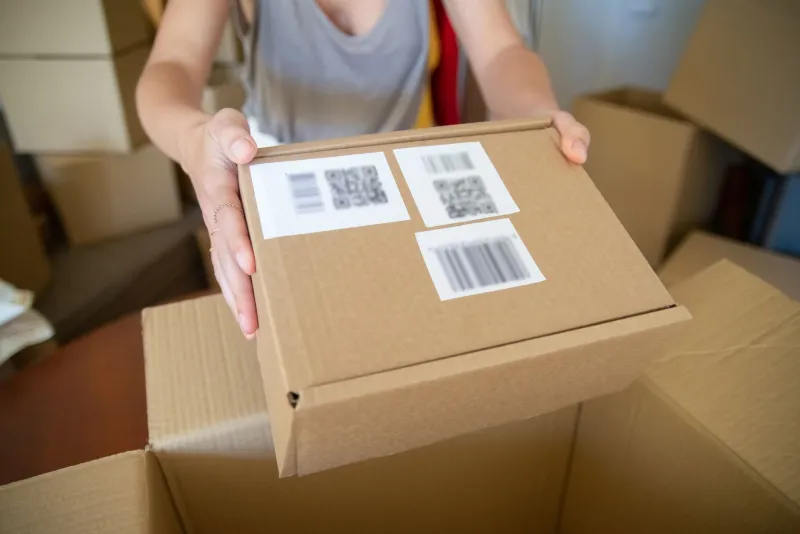
Photograph the sealed parcel before opening it. Capture the shipping label, any tracking barcode, and the condition of the outer box or mailer. A timestamped image establishes the starting point if the package is later found to be crushed, damp, or warm.
-
Assess the exterior condition and temperature exposure. Note obvious dents, tears, stains, or evidence of heat. Amoxicillin capsules should be stored at controlled room temperature, and a package that feels hot to the touch deserves a call to the dispensing pharmacy before any dose is taken.
-
Confirm the pharmacy identity. The label should show the dispensing pharmacy's name, address, telephone number, and, where applicable, its license or registration information. A return address that does not match the pharmacy named on the prescription is a reason to pause.
-
Verify the patient and prescriber. Check that the patient name, prescriber name, and prescription number match the order confirmation and the prescriber's instructions. A misspelled name is not always harmless; it can signal that the wrong patient record was used.
-
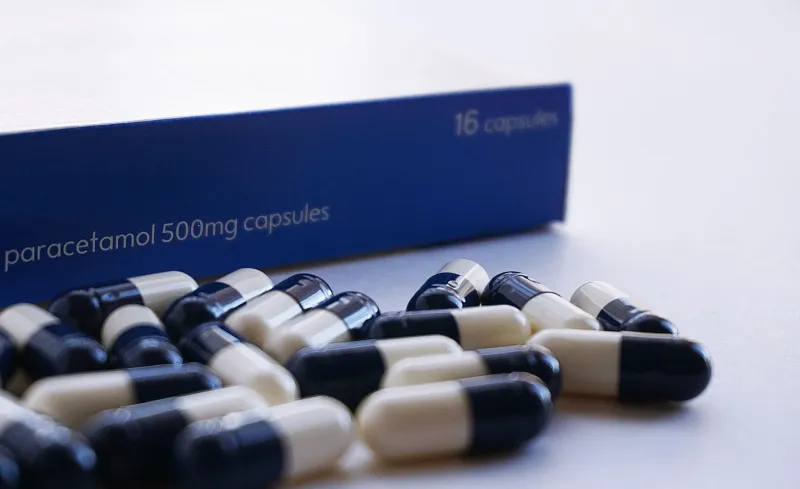
Reconcile the drug, strength, and dosage form. The label should state amoxicillin and specify the exact strength — for example, 500 mg capsules or 400 mg/5 mL oral suspension. Compare this against the prescription copy or the prescriber's after-visit summary. Do not assume that a different strength is an acceptable substitute unless the prescriber has authorized it.
-
Check the quantity and directions. Count the capsules or confirm the volume of suspension, and read the directions line by line. A label that says 'take one capsule twice daily' when the prescription says three times daily is a dispensing error, not a stylistic difference.
-
Inspect the tamper seal and closure. The bottle should arrive with its seal intact and its cap secure. A loose cap, a broken seal, or a bottle that appears to have been opened in transit should be treated as a compromised product.
-
Record the lot number and expiration date. These identifiers appear on the manufacturer's packaging and often on the pharmacy label. They allow the pharmacy to trace a product if a recall or quality concern emerges. Photograph both the label and the manufacturer's imprint.
-
Note the manufacturer and National Drug Code if shown. Generic amoxicillin is manufactured by multiple companies, and appearance can vary by source. The NDC helps confirm that the dispensed product matches what the pharmacy intended to ship.
-
File the storage instructions and auxiliary labels. Amoxicillin capsules generally require controlled room temperature, while reconstituted oral suspension requires refrigeration and has a limited beyond-use date. Any auxiliary sticker — such as 'shake well' or 'refrigerate' — belongs in the record because it governs how the product should be handled after verification.
When the package is warm, damaged, or late
A warm package is not automatically a ruined package, but it is a question that the pharmacy should answer. Capsules are more heat-tolerant than many patients assume, yet prolonged exposure to high temperatures can affect product quality. If the parcel feels unusually warm, photograph it, note the time, and contact the pharmacy before dosing. The same applies to a package that arrives crushed, punctured, or damp. Do not transfer the contents into an unlabeled container to 'save' them; doing so destroys the chain of identification.
When the label and the prescription disagree
A mismatch between the label and the prescriber's instructions is the clearest stop signal in this process. Do not take the first dose while the discrepancy is unresolved. Call the dispensing pharmacy, read the label aloud, and ask the pharmacist to compare it with the original prescription. If the pharmacy cannot resolve the question, contact the prescriber. In either case, keep the packaging and the label intact.
The documentation script
When you contact the pharmacy, a concise account speeds resolution. Include the order number, the date and time of delivery, photographs of the parcel and label, the lot number and expiration date, a description of the problem, and a specific request — a replacement, a corrected label, or clarification from the prescriber. Ask for a reference number or the name of the person who handled the call. This is not adversarial; it is the same information the pharmacy needs to investigate.
The go/no-go decision
Verification is complete when the label, the prescription, the product, and the storage conditions all agree. If any element remains uncertain, the safe course is to withhold the first dose and seek pharmacist guidance. Patients who order amoxicillin online should remember that the convenience of home delivery does not reduce the need for the same checks a counter pharmacist would perform. A documented handoff protects the patient, informs the pharmacy, and keeps the prescription from becoming an assumption.