Before the Drill Starts: Who Actually Needs Amoxicillin for Dental Care?
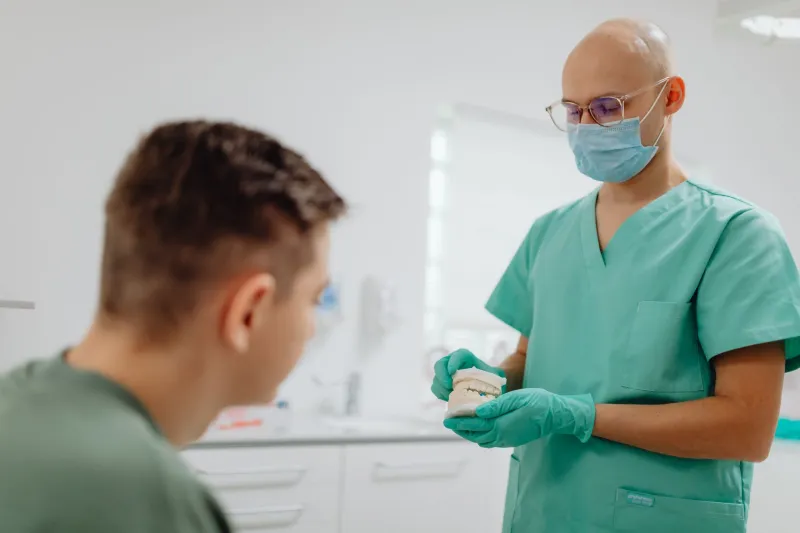
For many US adults, the memory is familiar: a small amoxicillin capsule taken an hour before a dental cleaning, prescribed not because of an active infection but because of a heart murmur, a replaced valve, or a long-ago joint replacement. As of 2026, that routine is far less common than many patients assume. The central question is no longer whether amoxicillin can prevent a dental procedure-related infection in theory. It is whether the benefit outweighs the risks for a particular patient — and for most people, current guidance says it does not.
How Preventive Antibiotics Became the Exception
Antibiotic premedication before dental work was once applied broadly. Patients with mitral valve prolapse, ordinary heart murmurs, and various orthopedic implants often received a dose as a precaution. That practice changed substantially after a major revision of American Heart Association guidance in 2007, which concluded that the evidence for preventing infective endocarditis through routine dental prophylaxis was weak and that widespread antibiotic use carried its own dangers. The American Dental Association has continued to endorse the narrower approach.
The shift was not a rejection of the seriousness of infective endocarditis, a rare but dangerous infection of the heart’s inner lining. It was a recalibration. Dental procedures can cause brief bacteria in the bloodstream, but everyday activities such as chewing and toothbrushing do the same. If those daily exposures do not routinely cause endocarditis, a single pre-procedure dose is unlikely to provide dependable protection for most patients. Meanwhile, every antibiotic course carries a measurable risk of allergy, digestive disruption, and resistant infection.
The Cardiac Categories That Still Qualify
Current US guidance limits dental antibiotic prophylaxis to patients with the highest lifetime risk of infective endocarditis. The categories are specific, and they are not interchangeable with a general history of heart disease. They include:
- A prosthetic heart valve, including a valve repaired with prosthetic material.
- A prior episode of infective endocarditis.
- Certain congenital heart conditions: unrepaired cyanotic congenital heart disease, a repair using prosthetic material or a device within the past six months, or a repaired congenital defect with a residual leak or abnormal flow near a prosthetic patch or device.
- A heart transplant that has been followed by valvulopathy, meaning a problem with the transplanted heart’s valves.
Outside those groups, prophylaxis is generally not recommended for dental cleaning or other routine dental procedures. A history of mitral valve prolapse, a benign murmur, coronary stents, bypass surgery, or a pacemaker does not, by itself, place a patient in the qualifying categories. Patients with joint replacements are a separate question; routine antibiotic prophylaxis for dental work is not recommended solely because of a joint prosthesis, but an orthopedic surgeon may have individualized advice in unusual circumstances.
Why the Routine Dose Fell Out of Favor
The case against blanket premedication rests on a simple balance. The absolute risk of infective endocarditis after a dental procedure is very low, and the evidence that a single amoxicillin dose reliably prevents it is limited. Against that modest and uncertain benefit are well-documented harms: allergic reactions ranging from rash to anaphylaxis, Clostridioides difficile infection, nausea and diarrhea, drug interactions, and contributions to antimicrobial resistance. When millions of dental visits are involved, small individual risks become meaningful public health costs.
Amoxicillin is generally well tolerated, but it is not a benign vitamin. It can alter gut bacteria, interact with warfarin and other medications, and trigger reactions in patients with a true penicillin allergy. For a patient who does not meet the narrow cardiac criteria, taking it before a cleaning offers little expected protection while exposing the patient to those risks.
Questions to Ask Before Your Next Appointment
Patients should not have to guess whether they qualify. A short, focused conversation with the dental office — and, when needed, with a cardiologist — can resolve the issue before the day of the procedure. Consider asking:
- Do I meet the current American Heart Association criteria for dental antibiotic prophylaxis? If so, which specific condition places me in that category?
- If prophylaxis is recommended, what medication and timing does my clinician prefer? Regimens are typically a single dose before the procedure, but the exact instructions should come from the prescriber.
- If I have a listed penicillin allergy, has that allergy been verified? Many patients labeled as penicillin-allergic in childhood can safely take the drug after evaluation, and an inaccurate label can lead to less effective alternatives.
- Are there any interactions with my current medications, including blood thinners or other antibiotics I may already be taking?
- If I have a joint replacement or another implant, does my orthopedic or surgical specialist want to weigh in?
Prescription Access and Patient Safety
When premedication is genuinely indicated, amoxicillin should come from a licensed US pharmacy with a valid prescription. Patients should not borrow leftover capsules, use a household member’s supply, or order antibiotics from an unverified website to avoid a dental visit. Online ordering can be convenient, but it does not replace a clinical assessment. A legitimate service will require a prescription and will provide clear product and pharmacy information.
At AmoxicillinR, the emphasis is on informed access: understanding when amoxicillin is appropriate, when it is not, and how to obtain it safely when a clinician has determined that treatment or prophylaxis is warranted. The dental chair is a useful place to start that conversation, but the decision belongs with the patient’s own dental and medical team.
The Bottom Line
Routine amoxicillin before a dental cleaning is no longer routine. It is a targeted precaution for a small group of patients with specific, high-risk cardiac conditions. For everyone else, the better course is usually to skip the antibiotic and keep the focus on regular dental care, good oral hygiene, and an accurate medication history. If you are unsure where you stand, ask before the appointment — not after the prescription has already been filled.