Day Three Deception: The Hidden Cost of Quitting Amoxicillin When You Start Feeling Fine
By the third day of a standard amoxicillin course, many patients report the same experience: the fever has broken, the throat pain has eased, and life feels normal again. It is precisely at this point that adherence tends to collapse. Surveys of antibiotic use in the United States consistently find that a substantial share of patients stop filling or finishing their prescriptions once symptoms subside — a habit that carries consequences far beyond a single course of treatment.
Why Symptoms Disappear Before Bacteria Do
Amoxicillin works by interfering with the construction of bacterial cell walls. Susceptible bacteria are killed rapidly, which is why relief often arrives quickly. But bacterial populations are rarely uniform. The most vulnerable organisms die first, while hardier cells — and any bacteria sheltered in deeper tissue — require the full exposure period to be eliminated.
When treatment stops at day three or four, the surviving population is effectively the one that tolerated the drug best. Those survivors are the raw material for resistance, and they are also the most likely cause of a relapse.
What Resistance Looks Like at the Cellular Level
Resistance is not an abstraction. It develops through ordinary biology:
- Survival of the fittest cells. Bacteria carrying random mutations that blunt amoxicillin's effect outlast their neighbors when exposure stops early.
- Horizontal gene transfer. Resistant organisms can pass resistance genes to unrelated bacteria through plasmids, spreading the trait across species in the gut and beyond.
- Amplified reservoirs. Repeated abbreviated courses selectively cultivate resistant strains in the body, which can later colonize family members and communities.
Infectious disease pharmacists describe the pattern bluntly: every shortened course is a training exercise for bacteria. The patient who feels better is not wrong about feeling better — they are simply mistaking the middle of treatment for the end of it.
The Relapse Risk Patients Underestimate
Incomplete treatment does not only threaten public health. For the individual patient, stopping early raises the odds that the original infection returns, often requiring a second prescription, a broader-spectrum antibiotic, or a physician visit that a full course would have avoided. For conditions like strep pharyngitis, premature discontinuation also increases the risk of complications, including rheumatic fever in rare but well-documented cases.
Practical Strategies That Actually Work
Finishing a course is easier when the process is engineered rather than left to willpower:
- Pharmacy synchronization. Many US chains — including national programs like Med Sync at regional grocers and pharmacies — align all refills to a single monthly pickup date, reducing the chance a course goes unfilled.
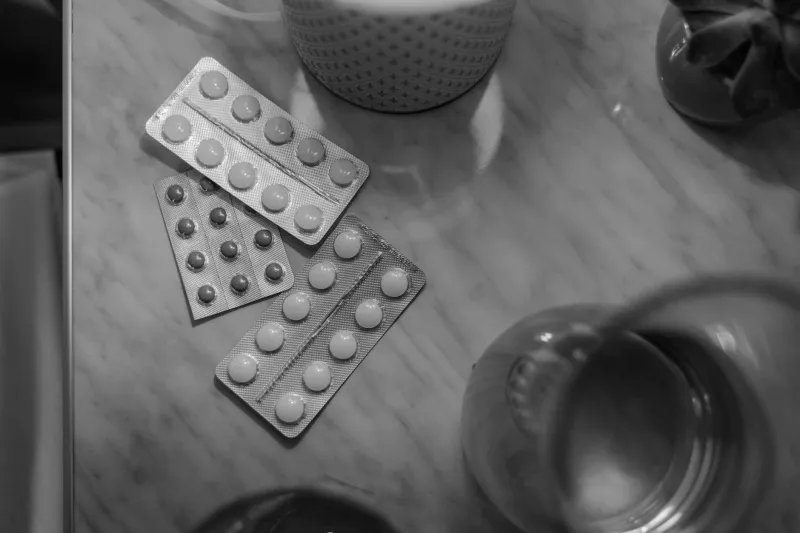
- Pill trackers and blister packs. Low-cost weekly organizers or pharmacy-packaged blister cards make a missed or skipped dose visible at a glance.
- Smartphone reminders. Free medication apps can schedule alerts tied to specific times of day, and some pharmacies offer automated text refill nudges.
- Anchoring to a daily habit. Pairing the dose with breakfast or a nightly routine leverages existing behavior instead of demanding new memory.
- Asking the pharmacist directly. A brief conversation at pickup — "what happens if I stop early?" — measurably improves completion rates, according to adherence research.
A Word on Leftover Pills
Patients who finish their course correctly will have no leftovers to store — and that is the goal. As previously covered on this site, hoarding residual antibiotics for self-treatment later is both unsafe and a driver of misuse. If pills remain after completing a prescription, most pharmacies and many police departments accept them through DEA take-back programs.
The Bottom Line
Feeling better is a milestone, not a finish line. The full amoxicillin course exists because the infection is not cleared until the last dose is taken. For patients ordering antibiotics online or picking up at a local counter, the most important step costs nothing: take every dose, on schedule, to the end.