When Your Child Wakes Up Sick: A Parent's Roadmap to Same-Day Strep Testing and Amoxicillin Treatment
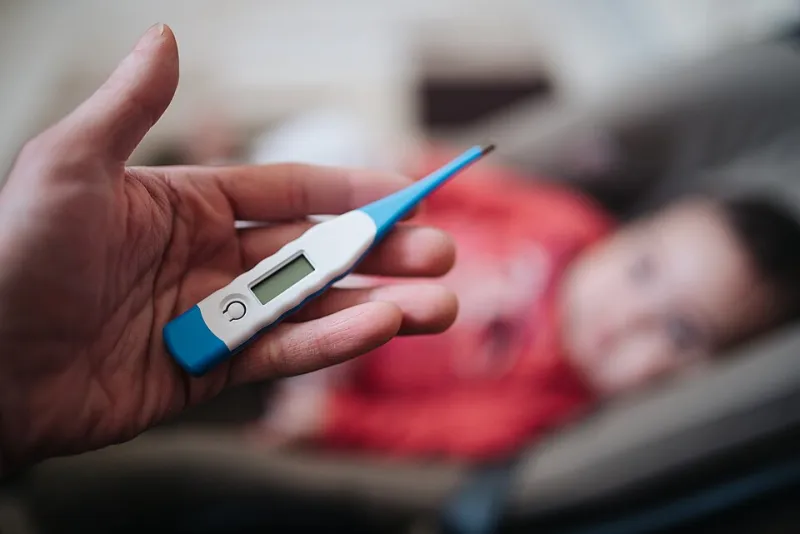
Photo: Shixart1985, CC BY 2.0, via Wikimedia Commons
Every parent knows the moment: your child wakes up complaining of a scratchy throat, refuses breakfast, and feels warm to the touch. School starts in an hour, and the nearest pediatric clinic has its first appointment at two in the afternoon. The question is no longer just whether your child is sick — it is whether you need to act today, tonight, or wait until morning.
Strep throat season in the United States runs hardest from late summer through early spring, when classrooms become efficient delivery systems for Group A Streptococcus. The good news is that strep and many childhood ear infections respond reliably to amoxicillin, one of the most prescribed and well-studied antibiotics in American pediatrics. The challenge for parents is knowing how to get an evaluation and prescription without upending an entire household's schedule.
First, Rule Out the Emergencies
Before considering a telehealth visit, understand that some symptoms require immediate in-person care. Head to an urgent care center or emergency department if your child has:
- Difficulty breathing or swallowing, including drooling or muffled speech
- A stiff neck, severe headache, or unusual confusion
- A fever above 104°F that does not respond to fever-reducing medication
- Signs of significant dehydration, such as no urination for eight or more hours
These red flags point beyond routine strep. Everything else in this guide assumes your child is uncomfortable but stable.
The Symptom Checklist: Is This Likely Strep?
Strep throat behaves differently from the viral sore throats that accompany most colds. Pediatricians use a set of criteria that parents can apply at home as a rough screening tool. Strep is more likely when your child has:
- A sudden, painful sore throat without a cough
- Fever over 101°F
- Swollen, tender glands in the front of the neck
- Red, swollen tonsils, sometimes with white patches
- Tiny red spots on the roof of the mouth
Strep is less likely when your child has a runny nose, hoarse voice, cough, or pink eye alongside the sore throat — those features suggest a virus, which antibiotics cannot treat. Children under three rarely develop strep throat; toddlers with fever and fussiness more often have ear infections or other viral illnesses.
Keep in mind that this checklist narrows the field but does not diagnose. A definitive answer requires a rapid strep test or throat culture, which many telehealth providers can order to a local lab or which you can obtain at a retail pharmacy clinic.
Wait Until Morning or Act Tonight? A Parent's Decision Tree
Use this sequence when symptoms appear in the evening:
- Can your child swallow fluids comfortably? If not, seek same-night care.
- Is the fever above 103°F despite acetaminophen or ibuprofen? If yes, call a nurse line or urgent care tonight.
- Does your child have the strep-pattern symptoms above but is otherwise drinking, breathing, and behaving reasonably? A same-day or next-morning telehealth visit is appropriate. Strep treated within a few days of symptom onset avoids complications, and starting antibiotics at midnight rather than 8 a.m. offers no meaningful benefit for a stable child.
- Are symptoms mild with viral features (cough, congestion)? Watchful waiting with fluids, rest, and fever control is reasonable for 24–48 hours.
This framework prevents two opposite mistakes: panicking over a routine virus at 11 p.m., and letting genuine strep linger untreated through a week of school attendance.
What a Telehealth Prescriber Will Ask For
When you book a same-day virtual visit for your child, preparation speeds everything up. Have the following ready:
- Your child's age and weight. Pediatric amoxicillin dosing is calculated by weight, typically 20–50 mg per kilogram per day divided into doses, depending on the infection being treated. An accurate weight in pounds is essential.
- Symptom timeline. When did the sore throat or ear pain start? Any fever measurements and when you took them?
- Medication allergy history. This is the single most important question. Any prior reaction to penicillin or amoxicillin — even a childhood rash — must be disclosed. True penicillin allergy changes the entire treatment plan.
- Current medications and medical conditions, including kidney problems or a history of mononucleosis.
- A visual exam. For ear complaints, some telehealth platforms use a store-and-forward otoscope attachment, or the prescriber may direct you to a partner clinic for an in-person ear check.
A reputable provider will not prescribe amoxicillin for suspected strep without confirming the diagnosis through testing, or at minimum documenting clear clinical criteria. Be wary of any service that dispenses antibiotics on request with no evaluation at all.
Getting the Prescription Filled Fast
Once a prescription is issued, most telehealth platforms transmit it electronically to the pharmacy you choose. Practical tips for the fastest turnaround:
- Select a pharmacy that is open now and confirm your child's insurance information is current in their system.
- Generic amoxicillin suspension (liquid, for children) is inexpensive — commonly under $20 without insurance — and most pharmacies stock it in standard concentrations like 250 mg/5 mL.
- Ask whether the pharmacy carries the flavoring option for the suspension; many will add it free, which matters enormously for a child who resists medication.
- Refrigeration is not required for most amoxicillin suspensions, but shaking the bottle before each dose and finishing the full prescribed course — usually ten days for strep — is essential to prevent relapse and complications like rheumatic fever.
A Calm, Prepared Approach Wins
Strep season will come every year, but it does not have to mean urgent care waiting rooms with a miserable child in tow. Learn the symptom pattern, know the red flags that demand immediate care, keep your child's weight and allergy history handy, and use a legitimate telehealth service when a same-day evaluation makes sense. Amoxicillin remains a safe, effective, and affordable answer to one of childhood's most common bacterial infections — provided it is prescribed for the right illness and taken exactly as directed.
This article is for informational purposes and does not replace professional medical advice. Always consult a licensed healthcare provider regarding your child's specific condition.