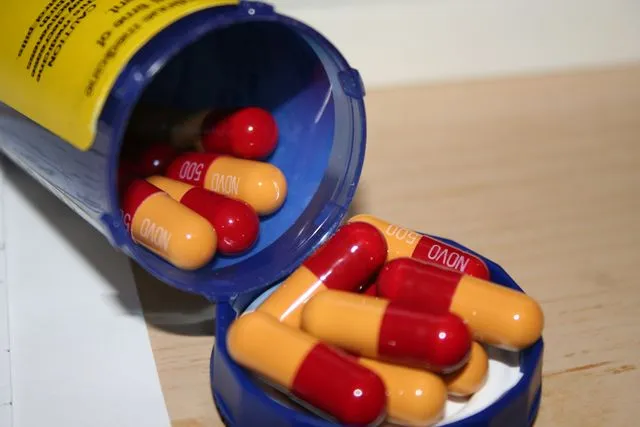
Don't Get Burned: 5 Warning Signs an Online Pharmacy Isn't Legitimate
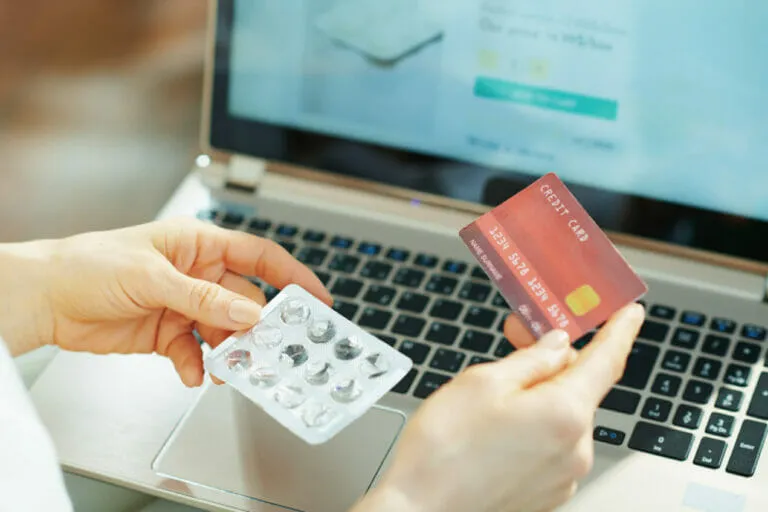
Photo: person checking online pharmacy website on laptop with credit card, via www.gastroenterologyadvisor.com
Ordering prescription medication online has never been more common — or more risky. The National Association of Boards of Pharmacy (NABP) has reviewed tens of thousands of internet drug sellers and found that the overwhelming majority operate outside US law and professional standards. Rogue pharmacies frequently dispense counterfeit, substandard, or contaminated products, and antibiotics are among the most commonly trafficked categories.
Before you enter payment information on any website offering amoxicillin, run it through this five-point check.
Red Flag #1: No Prescription Required — Ever
This is the single clearest signal that a website is operating illegally. Amoxicillin is a prescription-only medication under federal law, and no legitimate US pharmacy will dispense it without one.
Sites that advertise "no prescription needed," "doctor approval guaranteed," or sell antibiotics after only a brief questionnaire with no licensed provider review are not pharmacies in any meaningful sense. They are product sellers, and what they ship may contain the wrong drug, the wrong dose, fillers like chalk or paint, or nothing therapeutic at all.
Legitimate alternatives exist: reputable online pharmacies either accept a prescription from your own physician or arrange a telehealth consultation with a licensed US provider who can evaluate you properly before issuing one. If a site skips this step entirely, close the tab.
Red Flag #2: Prices That Defy Explanation
Bargain hunting is sensible; implausible pricing is a warning. If a website offers amoxicillin at a fraction of what US pharmacies charge — think 80 or 90 percent below typical retail — ask yourself how.
Deep discounts from rogue sellers usually trace back to unregulated overseas manufacturing, expired or relabeled stock, or outright counterfeits. Some sites use rock-bottom prices as bait, collect your credit card details, and either ship nothing or enroll you in recurring charges that are difficult to cancel.
Legitimate online pharmacies can be competitively priced, and discount programs can reduce costs meaningfully. But if a deal looks too good to be mathematically possible, it is.
Red Flag #3: Missing or Unverifiable Licensing Information
Every legitimate US pharmacy is licensed by the state board of pharmacy where it operates, and that license should be easy to find. A trustworthy site displays:
- A verifiable US street address
- A working telephone number staffed by pharmacy personnel
- The name of the licensed pharmacist in charge
- State licensing details
If that information is absent, vague, or leads to a disconnected number, walk away. Cross-check any claimed address through state board of pharmacy verification tools, which most states provide free online.
Red Flag #4: No Verifiable Third-Party Accreditation
Two organizations make verification straightforward for American consumers:
- NABP: Through its accreditation programs, NABP identifies online pharmacies that meet rigorous US standards. Look for a ".pharmacy" domain listing or NABP-verified status, and use the "Buy Safely" search tool on the NABP website to check any seller.
- LegitScript: This independent certification service reviews internet pharmacies against regulatory and safety standards. Its free search tool at legitscript.com lets you look up a website's certification status in seconds.
Legitimate pharmacies proudly display these credentials and link to their verification records. Sites that claim to be "certified" or "approved" without naming the certifying body — or that display logos without working links — are borrowing credibility they have not earned.
Red Flag #5: Shady Privacy, Payment, and Contact Practices
Reputable pharmacies treat your health and financial data with the same care as a brick-and-mortar drugstore. Warning signs include:
- Requests for payment via wire transfer, cryptocurrency, gift cards, or peer-to-peer apps
- No SSL encryption (check for "https" and the padlock icon at checkout)
- Emails riddled with spelling errors or sent from free personal email addresses
- Spam messages promoting the pharmacy that you never opted into
- Pressure tactics: countdown timers, "last stock" claims, or discounts that expire within the hour
Any of these should be disqualifying on its own.
Your Quick Verification Checklist
Before ordering amoxicillin or any prescription medication online:
- Confirm a valid US prescription is required — no exceptions
- Search the site on NABP's "Buy Safely" tool and LegitScript's verification database
- Verify the pharmacy's state license through your state board of pharmacy
- Confirm a US address, working phone number, and named pharmacist
- Pay only through traceable, standard methods on an encrypted checkout page
The Bottom Line
The internet has made accessing prescription antibiotics more convenient than ever — and it has made counterfeiters and unlicensed sellers more accessible than ever, too. The difference between a safe transaction and a dangerous one usually comes down to a few minutes of verification. Check credentials first, prescription requirements always, and price claims skeptically. Your health is worth the extra step.