Coffee, Cheese, and Cocktails: Separating Fact From Folklore in Amoxicillin Food Interactions

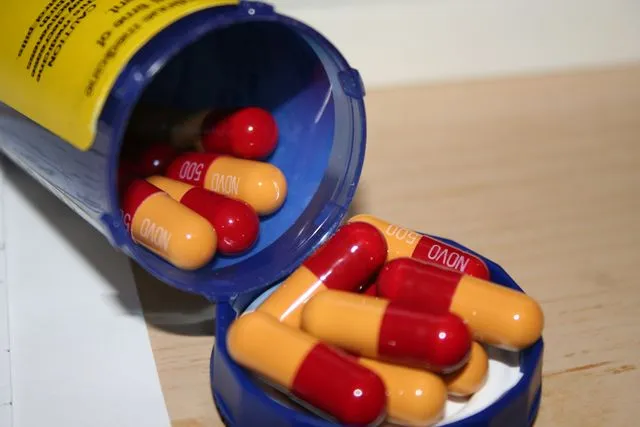
Photo: Gaurav Dhwaj Khadka, CC BY-SA 4.0, via Wikimedia Commons
Few prescriptions generate as much conflicting advice as amoxicillin. One website insists a single glass of wine will neutralize the drug; another claims a latte at breakfast renders your morning dose useless. Both claims are exaggerations, but neither comes from nowhere. Understanding what amoxicillin actually does in the body — and what genuinely alters its absorption — allows patients to make sensible decisions without navigating a minefield of folklore.
Why Amoxicillin Is Less Finicky Than You've Heard
Amoxicillin belongs to the penicillin family and works by disrupting the cell walls of susceptible bacteria. Unlike some antibiotics — metronidazole and certain cephalosporins come to mind — it does not produce a disulfiram-like reaction with alcohol, and it is not extensively metabolized through pathways that common foods disrupt. Roughly 70 to 80 percent of an oral dose is absorbed regardless of meal timing, which is why physicians frequently prescribe it with food: to reduce stomach upset, not to improve uptake.
That said, "less finicky" is not the same as "immune to interference." A handful of dietary factors can modestly affect how much active drug reaches your bloodstream.
Alcohol: Not Prohibited, But Rarely Helpful
The claim that alcohol must be strictly avoided with amoxicillin is not supported by clinical evidence. Moderate drinking does not measurably reduce the drug's antibacterial activity, and there is no dangerous chemical interaction between the two. This is where the myth ends and the practical reality begins.
First, alcohol can worsen the gastrointestinal side effects amoxicillin already causes — nausea, stomach discomfort, and, less commonly, diarrhea. Second, and more importantly, alcohol impairs rest, hydration, and immune function, all of which matter when your body is fighting an infection. A patient who drinks heavily on Tuesday and feels worse on Thursday may blame the antibiotic when the real culprit is the recovery environment.
The sensible guidance for US patients: an occasional drink is unlikely to cause harm, but abstaining for the course of treatment — typically seven to ten days — supports faster recovery and avoids compounding side effects.
Dairy and Calcium: A Matter of Timing, Not Elimination
Dairy's reputation as an antibiotic saboteur is largely borrowed from tetracyclines and fluoroquinolones, which bind strongly to calcium and form unabsorbable complexes. Amoxicillin's interaction with calcium is far weaker. A glass of milk alongside your capsule will not meaningfully blunt the dose.
There is one scenario worth noting: very large calcium loads — think calcium-fortified orange juice plus a mineral supplement plus antacids — taken at exactly the same moment may slightly reduce absorption. The fix is simple. Space high-dose calcium or magnesium products at least two hours from your amoxicillin dose. Yogurt with lunch, cheese on a sandwich, and milk in your coffee require no adjustment at all.
Your Morning Coffee: Largely a Non-Issue
Caffeine does not interact with amoxicillin pharmacologically. If you normally drink two cups of coffee at 7 a.m., you may continue doing so during treatment. The only caveat concerns hydration and stomach irritation. Coffee is mildly diuretic and can aggravate an already queasy stomach, so patients experiencing nausea may tolerate their dose better when taken with food and water rather than on an empty stomach alongside a hot espresso. Decaf remains an option for sensitive stomachs.
Probiotics and Supplements: The One Worth Planning Around
Probiotics deserve genuine attention. Broad-spectrum antibiotics like amoxicillin reduce gut bacterial diversity, and many patients develop loose stools as a result. Clinical trials on probiotic supplementation show mixed but generally favorable results for preventing antibiotic-associated diarrhea. Taking a probiotic — whether a capsule or fermented foods like kefir and sauerkraut — a few hours apart from your antibiotic dose is a reasonable, low-risk strategy. There is no evidence probiotics reduce amoxicillin's efficacy against the infection being treated.
Other supplements warrant a quick mention:
- Iron and zinc can chelate with penicillins; separate them by two hours.
- Vitamin C and multivitamins at typical doses pose no concern.
- Antacids containing aluminum or magnesium should be spaced out, as noted above.
A Practical Daily Rhythm
For most patients, the ideal routine looks like this: take amoxicillin at evenly spaced intervals — commonly every 8 or 12 hours — with a meal or snack to protect the stomach. Enjoy coffee as usual, preferably not as the vehicle for your dose. Keep dairy and normal foods in your diet. If you take calcium, iron, or magnesium supplements, shift them to the opposite end of the day. Add a probiotic midafternoon or evening. Reserve alcohol, if you drink at all, for after the final dose.
The Bottom Line
Amoxicillin is one of the most forgiving antibiotics in the pharmacopoeia, and the dietary restrictions surrounding it are mostly inherited myth. The evidence supports only modest adjustments: spacing mineral supplements, supporting your gut with probiotics, and using common sense with alcohol while your body heals. When in doubt, your pharmacist can review your full medication and supplement list — a free service at any licensed US pharmacy, online or in person.
This article is for informational purposes only and does not replace advice from your prescribing clinician.